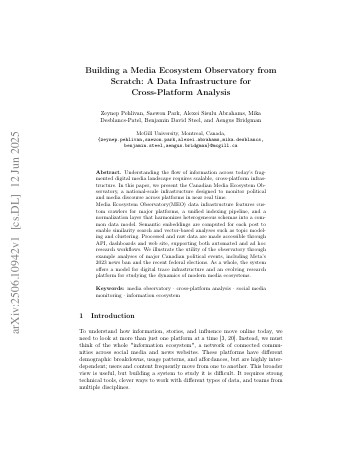
Beyond Technology: The Role of Information Interference in Climate and Election Obstruction
Heidi Tworek, Sonja Solomun
doi.org/10.66536/beyond-technology-information-interference_2023Résumé analytique
Heidi Tworek and Sonja Solomun argue that "disinformation" and "climate disinformation" are often mischaracterized as novel, exclusively technological threats, when in fact both election interference and climate obstruction rely on long-standing, well-worn tactics. Twitter saw a 300% increase in climate denialist content in 2022 alone, while known climate conspiracies circulated to hundreds of millions of Facebook users, especially during events such as COP26; Google, meanwhile, continues to profit from climate denial ads despite disallowing content that contradicts scientific consensus. The essay draws parallels between the history of election interference and climate obstruction, highlighting shared tactics: the use of deliberate and misleading narratives, the creation and weaponization of doubt and uncertainty, the coordination of networks and actors, and attempts to drive polarization and influence policy outcomes.
The authors contend that susceptibility to propaganda has broader societal, political, and economic causes than exposure to a few pieces of flawed information, and that pre-existing myths about inequality drive the success of such interference more than specific technologies or "bad actors." Polarization is a multifaceted policy problem that goes far beyond new communications technologies, and today's climate obstruction and 2020 U.S. election disinformation (which fueled "stolen election" claims and calls for recounts) follow similar patterns of exploiting existing societal cleavages.
The paper concludes that addressing these problems requires moving beyond exclusively technological fixes such as corrections and fact-checking, which can inadvertently sustain the spread of debunked stories. While greater accountability from platform companies and governments remains important, the history and politics of climate obstruction and electoral interference also demand attention to democratic, economic, social, and environmental concerns.
Publications connexes
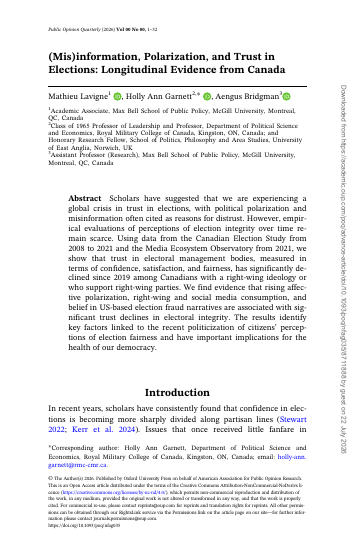
(Mis)information, Polarization, and Trust in Elections: Longitudinal Evidence from Canada
Lire la suite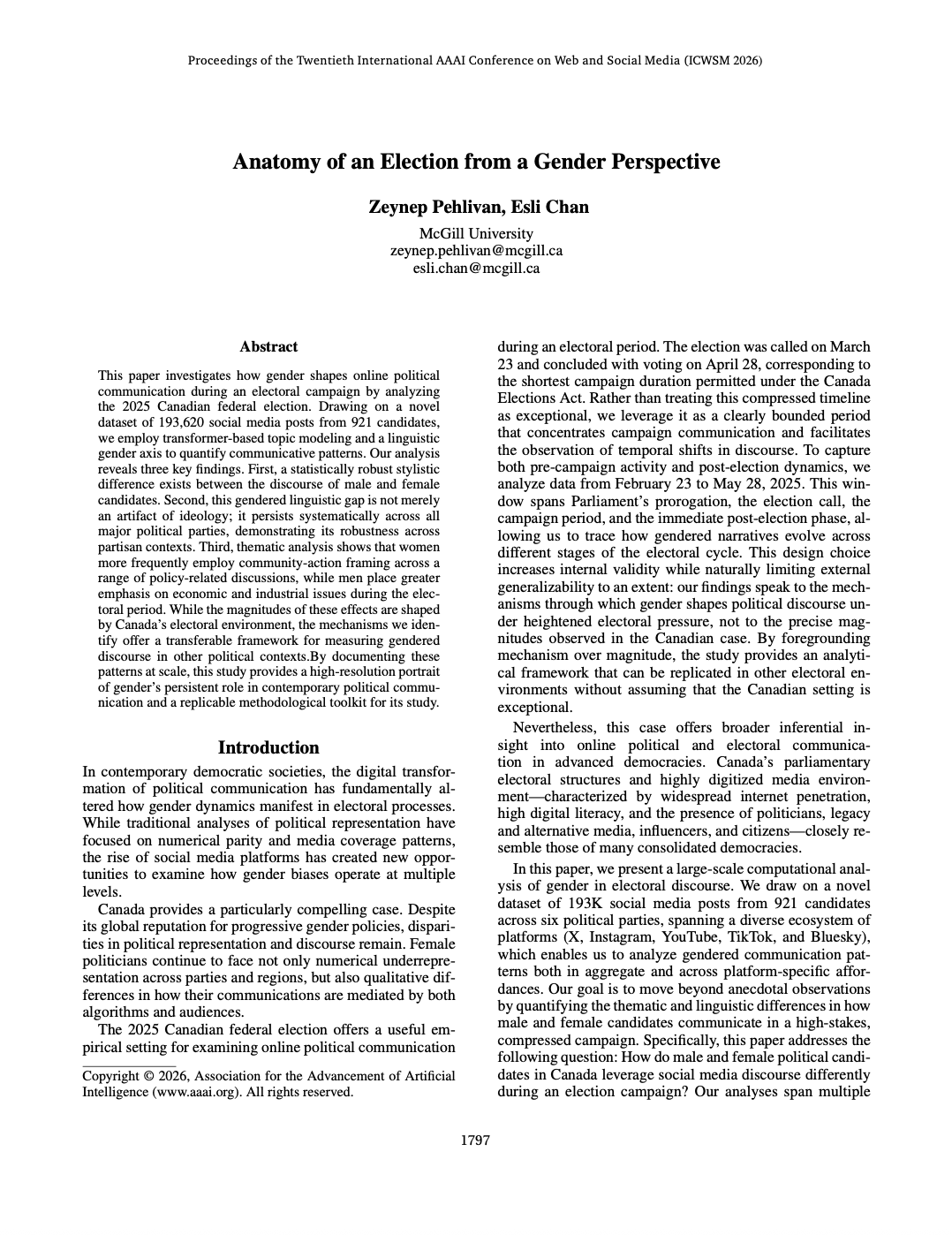
Anatomy of an Election from a Gender Perspective
Lire la suite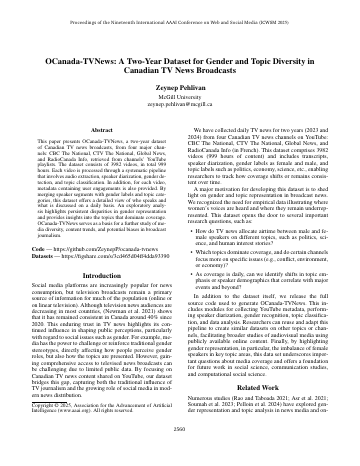
OCanada-TVNews: A Two-Year Dataset for Gender and Topic Diversity in Canadian TV News Broadcasts
Lire la suite