Media Ecosystem Observatory
Monitor. Research. Respond.
The Media Ecosystem Observatory monitors and studies how information moves through the platforms that shape public life, and makes the underlying data, methods, and tools open for others to use.
Most Canadians don't know what's happening to their information environment. When Meta blocked news from Facebook and Instagram in 2023, Canadians lost 11 million views of journalism a day. Three quarters of them never noticed. Algorithmic content, AI-generated posts, and influencer opinion filled the gap, and it felt the same as what came before, even though the infrastructure underneath had changed completely.
MEO works in that gap, between what's actually happening to the information environment and what people perceive.
About MEO
MEO is a collaboration between McGill University and the University of Toronto that has tracked Canada's information ecosystem since 2019.
During the 2025 federal election, MEO ran the most comprehensive independent election monitoring operation in Canadian history: weekly public assessments of bots, foreign interference, disinformation, and deepfakes, a public tipline, and coordinated data-sharing with researchers and civil society across the country. It led to more than a hundred media interviews in six weeks and coverage in the New York Times, the Guardian, the Financial Times, and the Economist. More importantly, Canada now has real-time, independent election monitoring as a standing capacity, instead of the post-hoc inquiries that used to arrive years too late.
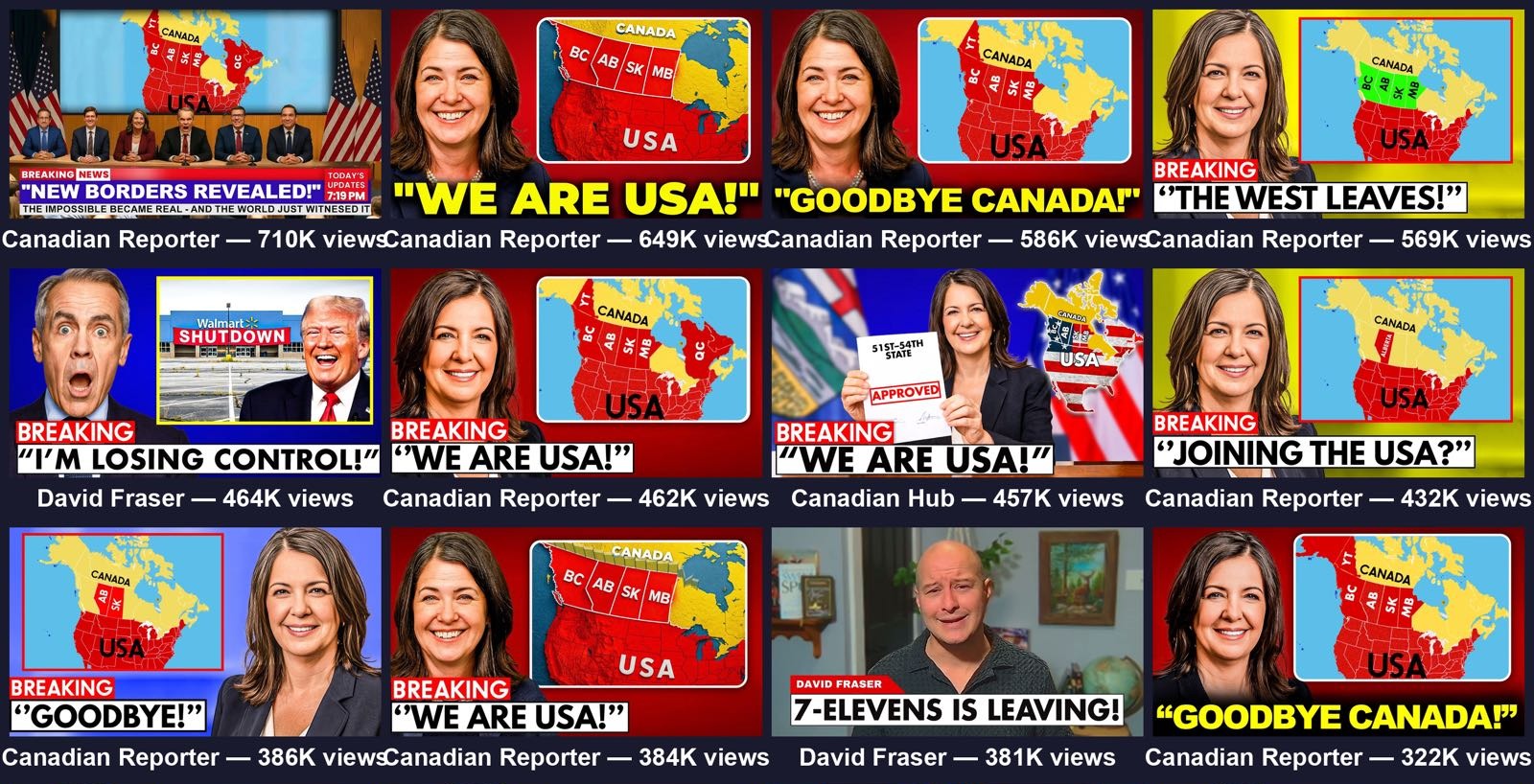
In April 2026, MEO identified a network of twenty inauthentic YouTube channels — nearly forty million views — pushing AI-generated content that normalized Alberta's secession and its annexation by the United States. We analyzed 4,474 videos, documented the network's coordinated behaviour, published a full public assessment, and called on YouTube to disclose what it knows about who is behind it. After significant public attention, including reporting by Canada's National Observer and the CBC investigative team, the YouTube channels were taken down.
That kind of finding comes from a consistent process: we collect, document, and analyze public content from major social and digital platforms, then publish datasets, dashboards, and an open API — so researchers, journalists, regulators, and the public can examine the information environment for themselves.
Featured Video
MEO-CDMRN Election Monitoring and Response
As the spread of information manipulation increases, protecting the integrity of our information ecosystem is more important than ever. That is why the Media Ecosystem Observatory and collaborators, through the Canadian Digital Media Research Network, actively monitored and responded to information manipulation during the 45th general election. Here is how we do it.
All VideosMEO's Research
Much of our research doesn't ask platforms for permission first — and can't. It's called unpermissioned research. The platforms that now mediate political and social life have little incentive to open themselves to outside scrutiny, and access that independent researchers once relied on keeps narrowing. If studying these systems required their consent, the most consequential questions about them would go unanswered — by design.
We follow the case made by Ethan Zuckerman and colleagues: public-interest research on platforms is legitimate even when a platform would prefer otherwise. We observe what's publicly visible, document how we do it, and hold ourselves to research-ethics standards — minimizing collection of personal data, protecting individuals, and being transparent about our methods.
Our reports and commentary are published under the Centre for Media, Technology and Democracy. If you want to browse our data, launch the MEO interface.
Recent Publications

Alberta’s Referendum, Online: Election Fraud Claims Ahead of the October 19 Vote
Read more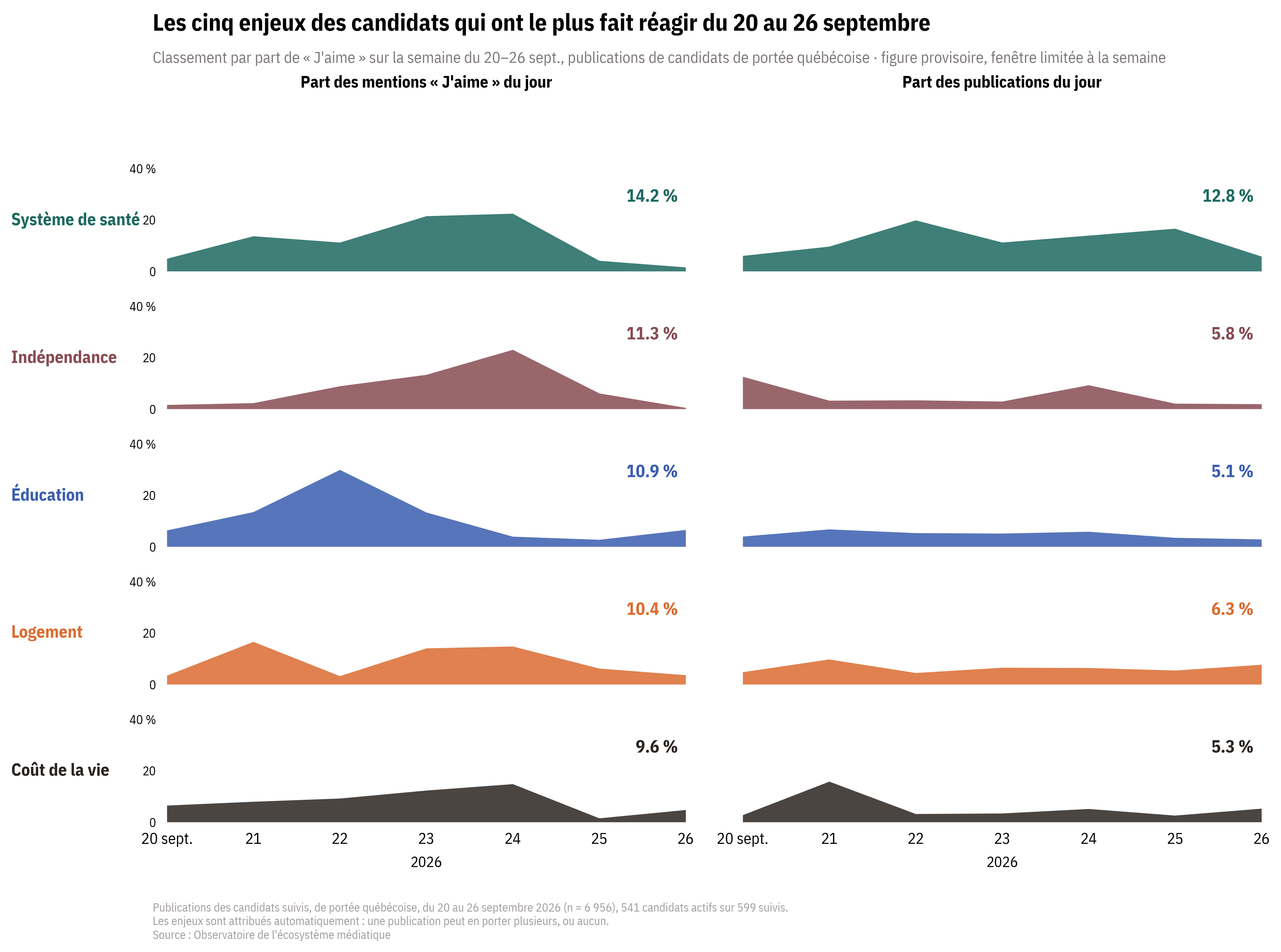
Weekly Update 5: Narratives and Perceptions of Electoral Integrity
Read more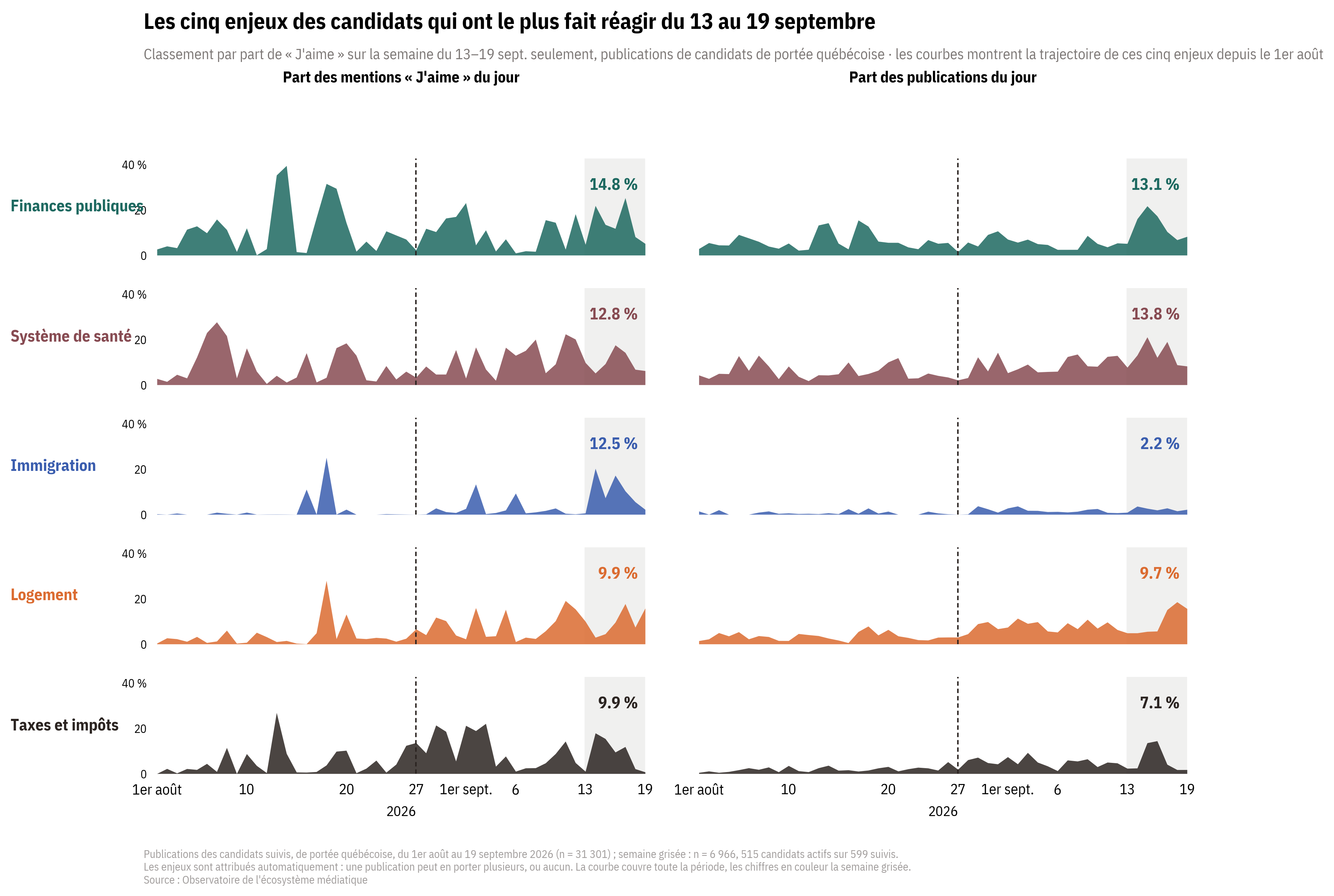
Weekly Update 4: An Election Without News Media on Facebook
Read more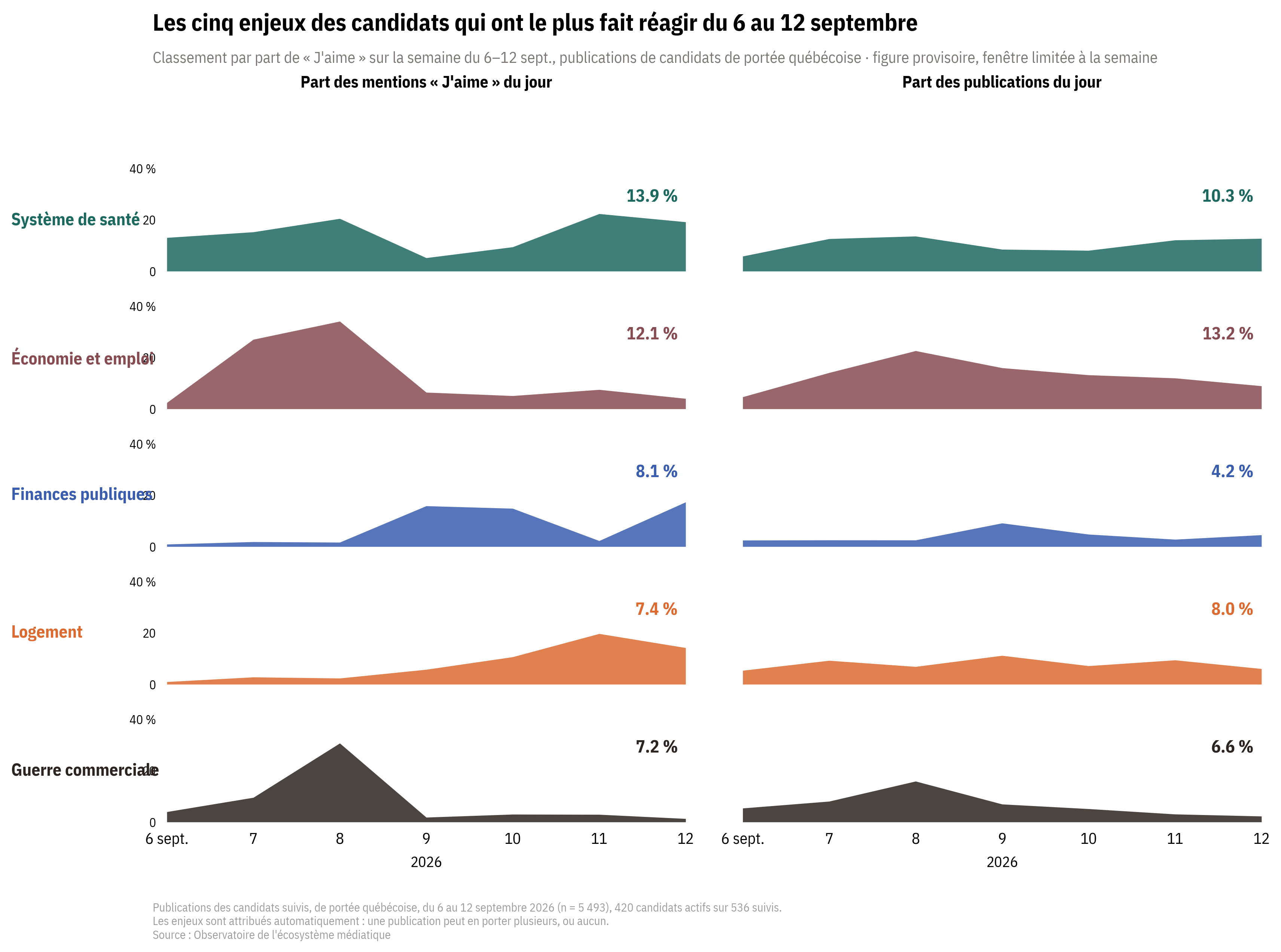
Weekly Update 3: Quebec's First Election in the Age of AI
Read moreAbout CDMRN
Through the Canadian Digital Media Research Network (CDMRN), funded by Canadian Heritage's Digital Citizen Initiative, MEO collaborates with researchers and civil society organizations across the country — sharing data, monitoring elections and information incidents, and serving as a single point of contact for journalists covering interference and disinformation stories.
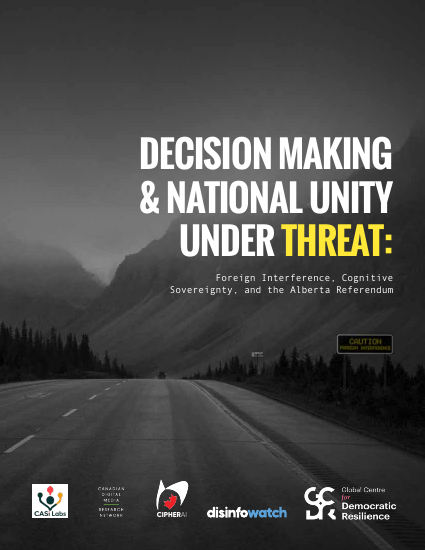
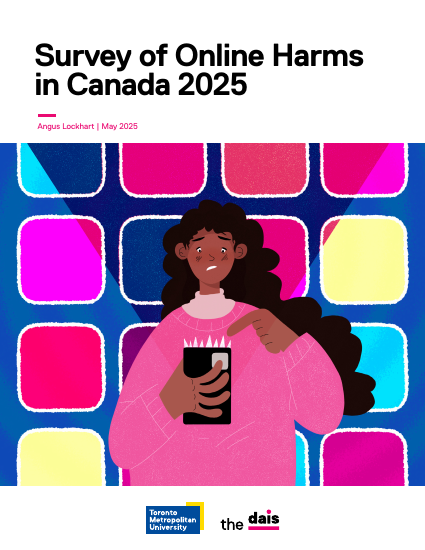
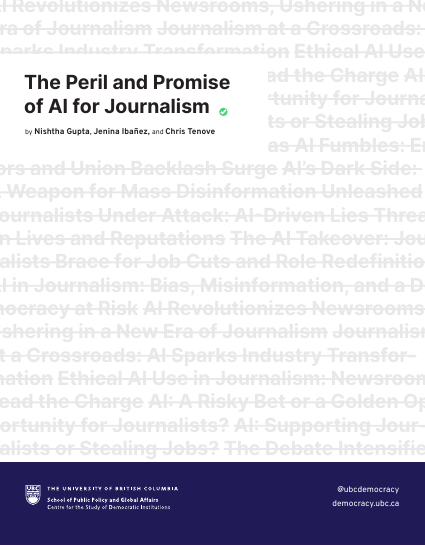
Here are some publications on the information ecosystem released by some of our collaborators in recent years: