Annual Reports
2025–2026 Annual Report
Foreword
In February, a school shooting in Tumbler Ridge, British Columbia, killed eight people. Lawsuits filed since allege that the shooter used a widely available AI chatbot to help plan the attack, and that the company's own staff had flagged the conversations as dangerous months earlier.
The company could see the risk in its own product. Nothing in Canadian law required it to act. That gap, between what a company knows and what the law obliges it to do, is what our Centre works on.
The same gap was visible all year. It showed in a federal election where online influencers, not journalists, carried much of the political conversation, in AI systems absorbing Canadian journalism without paying for it, and in an influence network spreading Alberta secession to a mass audience before platforms or regulators noticed.
At the same time, artificial intelligence is moving faster, and reaching further, than any technology in a generation already changing how science is done, how medicine is practised, and how people learn, work and connect. The promise is real. So is the cost of leaving its direction to the companies that profit from it.
That is the world the Centre operates in. We study the information ecosystem, turn the evidence into policy, and carry the analysis to the public in Canada and increasingly far beyond it.
This year also brought a structural change. The Media Ecosystem Observatory, Canada's leading institution for tracking disinformation and monitoring elections, has fully merged into the Centre. What was once our closest partner is now fully integrated, uniting our research, policy, and public engagement under one mandate.
Our mandate is also shifting. For a decade the Centre has been anchored in the governance of social media platforms, and that work is not finished. But our focus is now extending to artificial intelligence. Canada does not need to start from scratch to govern it. The country has built credible governance for powerful industries before, in finance, broadcasting, pharmaceuticals, and air travel. The task is to extend that capacity to the technologies now outpacing it.
This is not a question of whether technology is good or bad. It is a question of whether democratic institutions can still govern the most powerful industries of their time. They have done it before. What the past year tested is the political will to do it again. What follows is an account of what our Centre did with that question over the year, and of how much remains to be done.
Anna Jahn, Executive Director
Taylor Owen, Founding Director
Recent Publications

Alberta’s Referendum, Online: Election Fraud Claims Ahead of the October 19 Vote
Read more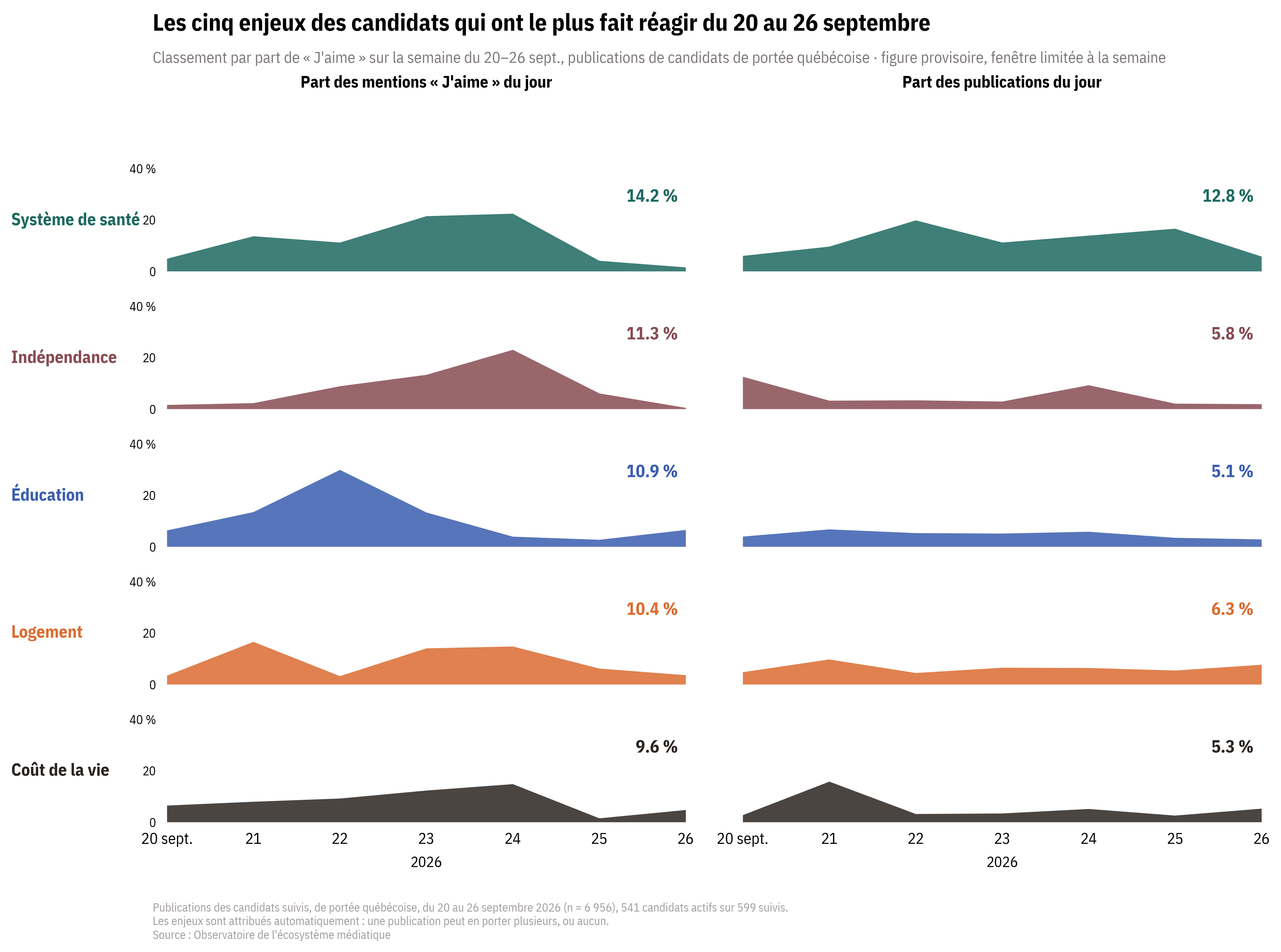
Weekly Update 5: Narratives and Perceptions of Electoral Integrity
Read more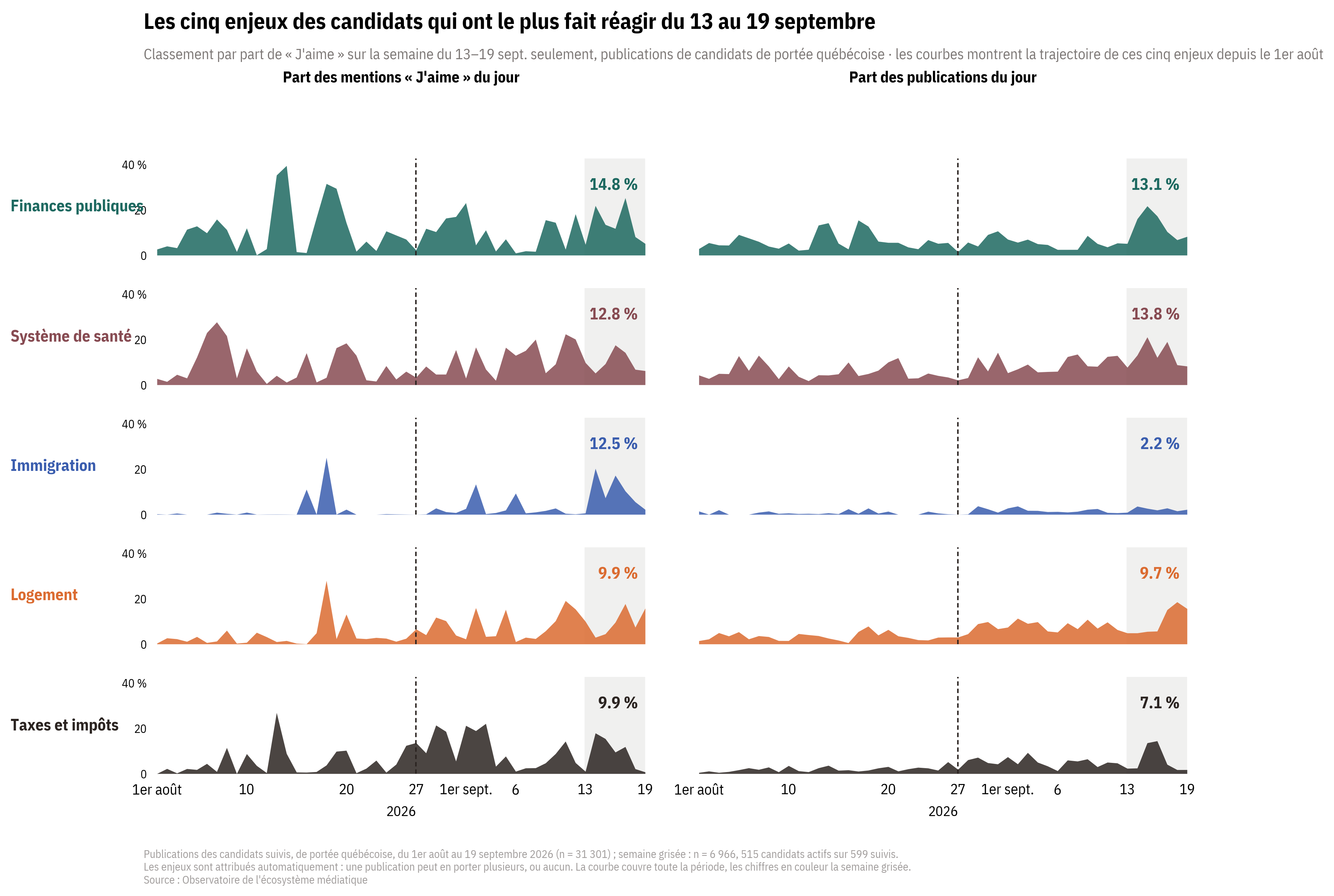
Weekly Update 4: An Election Without News Media on Facebook
Read more